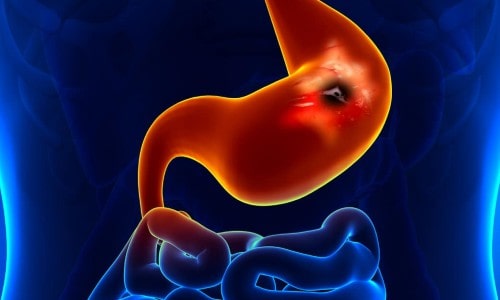
Stomach ulcers, notoriously known by the biting ache in the abdominal region that it causes, is a painful sore in the stomach lining or small intestine. It is caused by the corrosive action of stomach acids (essential to digestion) when the mucus lining of the stomach, meant to protect it from digestive juices and acids, gradually gives away.
It cannot be denied that spicy, acidic food or stress can impact acid secretions by the body, which in excess, can erode the mucous lining. Yet, more recent research has been optimistic about the influence of Helicobacter pylori in causing stomach ulcers.
Helicobacter pylori, or H pylori, is a common bacteria that grows in the digestive tract and prefers a harsh acidic atmosphere. Though more than half of the world's population is estimated to harbor these bacteria without adverse effects, at times, it turns against the host, infecting and destroying the lining of the stomach.
The association of H pylori has made it easier to understand why stomach ulcers tend to relapse, even after it had healed. People suffering from stomach ulcers usually make these common mistakes, leading to deterioration. Listed below are a few of them:
- One of the main culprits is returning to the old dietary habits (spicy or fried food) as soon as the ulcer gets a little better. The extra acidic environment thus created again, leads to corrosion of the gut lining, or worse, makes a perfect atmosphere for H pylori to become hyperactive and cause damage.
- More often than not, patients diagnosed with ulcers stop taking medicines as soon as the pain improves, leading to incomplete healing and eventual relapse. Antibiotics used to combat bacterial infection also have a fixed course, which needs to be precisely followed, per the gastroenterologist's advice.
- Most medications focus on reducing stomach acid secretions or neutralizing them to offer relief. But for complete recovery, the digestive system, as a whole, needs to be brought back to health. The more significant lifestyle changes required for the same are mainly ignored by patients, leading to negative repercussions.
- At their worst, stomach ulcers can be painful, leading to heartburn, nausea, or vomiting. Dealing with the same might be overly stressful for most. However, what tends to be forgotten is that stress or subconscious fear might lead to greater acid secretion, worsening the situation.
- Overuse of anti-inflammatory drugs like aspirin or ibuprofen can also play a direct role in aggravating stomach ulcers.
- Something as simple as not drinking enough water could also affect stomach ulcers adversely by adding to the general ill health of the digestive system.
- People with Crohn's disease, characterized by an inflammation of the small intestine, could also suffer from stomach ulcers that refuse to heal. However, this abnormality is not very common and can be diagnosed with the help of proper medical aid.
The healing time for ulcers can vary from person to person, depending on several of the above factors. However, a general healthy routine meant to ensure the complete well-being of the body and strict adherence to the advice of your gastroenterologist can take you a long way in your fight against ulcers without succumbing to the risk of a relapse. Contact Dr. G Rajshekar Reddy, the best ulcer treatment in Hyderabad.
For further details, book an appointment with Contact Dr. G Rajshekar Reddy, the best gastro surgeon in Hyderabad.


