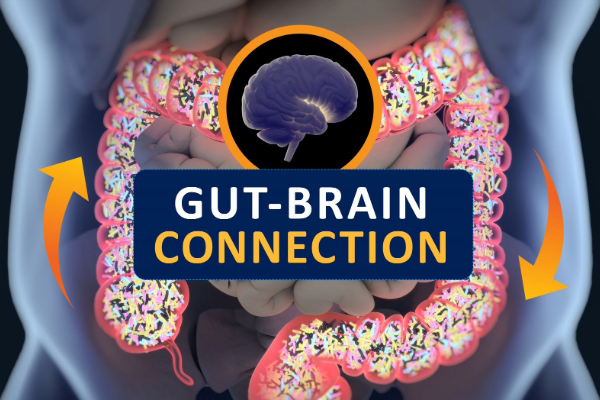
Have you ever experienced "butterflies" in your stomach before an important meeting? Or noticed stomach discomfort during periods of stress? These experiences are not coincidental. They are examples of the gut-brain connection—a remarkable communication network linking your digestive system and your brain.
Modern medical research has revealed that your digestive system does much more than digest food. It plays a vital role in regulating your mood, stress levels, sleep quality, immunity, and overall health. In fact, scientists often refer to the gut as the "second brain" because of its complex nervous system and its influence on mental well-being.
An unhealthy digestive system can contribute to bloating, acidity, constipation, irritable bowel syndrome (IBS), fatigue, anxiety, poor sleep, and even reduced concentration. Understanding this connection can help you take better care of both your digestive and mental health.
If you are experiencing persistent digestive symptoms, consulting an experienced Best Gastro Surgeon in Hyderabad, such as Dr. G. Rajasekhar Reddy, can help identify underlying gastrointestinal conditions and provide effective treatment.
What Is the Gut-Brain Connection?
The gut-brain connection refers to the continuous two-way communication between your digestive tract and your brain.
This communication occurs through several pathways, including:
- The vagus nerve
- Hormones
- The immune system
- Neurotransmitters
- The gut microbiome
Every day, your brain sends signals to your digestive system, while your gut sends information back to your brain. This constant interaction influences digestion, emotions, appetite, stress response, and sleep patterns.
Why Is the Gut Called the "Second Brain"?
Your digestive tract contains a vast network of over 100 million nerve cells known as the Enteric Nervous System (ENS). While it cannot think like your brain, it independently controls many digestive processes such as:
- Movement of food through the intestines
- Enzyme secretion
- Blood flow within the digestive tract
- Nutrient absorption
Because of this extensive nervous system, the gut can function independently while maintaining constant communication with the brain.
The Role of Gut Bacteria in Overall Health
Trillions of beneficial bacteria live inside your intestines. Together, they form the gut microbiome.
These microorganisms help:
- Digest food efficiently
- Produce vitamins
- Strengthen immunity
- Protect against harmful bacteria
- Reduce inflammation
- Produce important brain chemicals
When these healthy bacteria are balanced, both digestive and mental health improve. However, an imbalance—known as dysbiosis—can lead to digestive disorders and may also influence mood and sleep.
Did You Know? Most of Your Serotonin Is Produced in the Gut
Serotonin is commonly known as the "feel-good" chemical because it plays an important role in mood regulation. Interestingly, a large proportion of the body's serotonin is produced in the digestive tract.
While gut-produced serotonin primarily supports digestive function, the close relationship between the gut, nervous system, and microbiome highlights why digestive health and emotional well-being are closely linked.
How Stress Affects Your Digestive System
Stress doesn't only affect your mind—it can significantly impact your digestive system.
During stress, the body releases hormones such as cortisol and adrenaline, which can alter normal digestive function.
Common digestive symptoms caused or worsened by stress include:
- Acid reflux (GERD)
- Stomach pain
- Indigestion
- Bloating
- Constipation
- Diarrhea
- Irritable Bowel Syndrome (IBS)
- Loss of appetite
- Nausea
Long-term stress may also affect the balance of healthy gut bacteria, further contributing to digestive issues.
Can Poor Gut Health Affect Anxiety and Mood?
Emerging research suggests that disturbances in the gut microbiome may influence emotional well-being through the gut-brain axis.
People with chronic digestive disorders often report:
- Increased stress
- Mood fluctuations
- Difficulty concentrating
- Fatigue
- Reduced quality of life
While digestive health is only one factor influencing mental health, improving gut health may contribute positively to overall well-being. Persistent anxiety or depression should always be evaluated by a qualified mental health professional.
The Connection Between Gut Health and Sleep
Poor sleep and digestive health often affect each other.
Digestive problems such as acidity, bloating, abdominal discomfort, or reflux can interfere with restful sleep. Likewise, inadequate sleep may alter gut bacteria and increase inflammation, potentially worsening digestive symptoms.
Improving digestive health can support better sleep by:
- Reducing nighttime acidity
- Improving digestion
- Supporting healthy daily routines
- Lowering inflammation
Signs Your Gut May Need Medical Attention
Occasional digestive discomfort is common, but persistent symptoms should not be ignored.
Seek medical evaluation if you experience:
- Frequent acidity
- Persistent bloating
- Chronic constipation
- Recurring diarrhea
- Blood in stools
- Difficulty swallowing
- Unexplained weight loss
- Persistent abdominal pain
- Loss of appetite
- Fatigue associated with digestive symptoms
Early diagnosis helps prevent complications and ensures appropriate treatment.
Common Digestive Disorders Associated with the Gut-Brain Axis
Several gastrointestinal conditions are influenced by communication between the gut and the brain, including:
Irritable Bowel Syndrome (IBS)
A functional digestive disorder causing abdominal pain, bloating, constipation, diarrhea, or alternating bowel habits.
Gastroesophageal Reflux Disease (GERD)
Chronic acid reflux that may worsen during periods of stress.
Functional Dyspepsia
Persistent upper abdominal discomfort without a clear structural cause.
Inflammatory Bowel Disease (IBD)
Although caused by immune-related inflammation, stress may influence symptom severity.
Chronic Constipation
Can be affected by dietary habits, activity levels, stress, and lifestyle.
How to Improve Your Gut Health Naturally
Healthy daily habits can support both digestive and overall health.
Eat a Balanced Diet
Include:
- Fresh fruits
- Vegetables
- Whole grains
- Lentils
- Yogurt (if tolerated)
- Nuts
- Seeds
Increase Fiber Intake
Fiber supports healthy digestion and nourishes beneficial gut bacteria.
Stay Hydrated
Adequate water intake helps maintain normal bowel function.
Exercise Regularly
Aim for at least 150 minutes of moderate physical activity each week.
Manage Stress
Stress-management techniques may include:
- Meditation
- Yoga
- Deep breathing
- Walking
- Spending time outdoors
- Mindfulness practices
Prioritize Sleep
Adults generally benefit from 7–9 hours of quality sleep each night.
Avoid Excessive Processed Foods
Limit:
- Sugary drinks
- Ultra-processed snacks
- Excess alcohol
- Smoking
When Should You Consult a Gastroenterologist?
Consult a Gastroenterologist in Hyderabad if you experience:
- Digestive symptoms lasting more than two weeks
- Frequent acidity despite medication
- Persistent bloating
- Recurrent abdominal pain
- Chronic constipation or diarrhea
- Blood in stools
- Significant weight loss
- Difficulty swallowing
- Family history of gastrointestinal diseases
Early medical evaluation can identify treatable conditions before complications develop.
Expert Care from Dr. G. Rajasekhar Reddy
Dr. G. Rajasekhar Reddy is a highly experienced Surgical Gastroenterologist and Gastro Surgeon in Hyderabad, dedicated to providing comprehensive care for diseases of the digestive system.
His areas of expertise include:
- Acid reflux (GERD)
- Gallbladder disorders
- Liver diseases
- Pancreatic conditions
- Colorectal disorders
- Hernia surgery
- Gastrointestinal cancers
- Advanced laparoscopic gastrointestinal surgery
- Diagnostic evaluation of digestive disorders
Patients receive personalized treatment plans supported by evidence-based medical practices, advanced diagnostic facilities, and compassionate care focused on long-term digestive health.
Frequently Asked Questions (FAQs)
1. What is the gut-brain connection?
The gut-brain connection is the two-way communication system between the digestive tract and the brain, involving nerves, hormones, the immune system, and the gut microbiome.
2. Can stress really cause digestive problems?
Yes. Stress can contribute to or worsen symptoms such as acidity, bloating, constipation, diarrhea, abdominal discomfort, and IBS in many individuals.
3. Does gut health affect sleep?
Digestive conditions like acid reflux and bloating can disrupt sleep, while poor sleep may also negatively influence digestive function and gut bacteria.
4. Can improving gut health reduce anxiety?
Maintaining a healthy gut may support overall well-being, but anxiety has many causes. Persistent mental health concerns should be assessed by a qualified healthcare professional.
5. Which foods are good for gut health?
A diet rich in fruits, vegetables, whole grains, legumes, and other fiber-rich foods supports healthy digestion and beneficial gut bacteria.
6. When should I see a gastroenterologist?
If digestive symptoms persist, worsen, or are accompanied by alarming signs such as blood in stools, weight loss, or severe abdominal pain, consult a gastroenterologist promptly.
7. Is IBS caused only by stress?
No. IBS is a complex condition influenced by gut motility, gut-brain communication, microbiome changes, diet, and stress.
8. Where can I get expert digestive care in Hyderabad?
For comprehensive evaluation and treatment of digestive disorders, consult Dr. G. Rajasekhar Reddy, an experienced Gastro Surgeon in Hyderabad, who provides advanced, patient-centered care for a wide range of gastrointestinal conditions.
Conclusion
The gut and brain are closely connected, influencing digestion, stress response, sleep, and overall quality of life. While occasional digestive discomfort is common, persistent symptoms should never be ignored. Adopting a balanced diet, maintaining an active lifestyle, managing stress, and seeking timely medical advice are essential steps toward better digestive health.
If you are experiencing ongoing digestive problems, consult Dr. G. Rajasekhar Reddy, one of the trusted Best Gastro Surgeons in Hyderabad, for expert diagnosis and personalized treatment. Early intervention can help restore digestive health, improve daily well-being, and prevent long-term gastrointestinal complications.


