A Comprehensive Guide to Symptoms, Diagnosis, Prevention, and Treatment
By Dr. Rajasekhar | Senior Consultant Gastroenterologist | Hyderabad
🌐 Introduction: Colon Cancer—A Preventable Yet Deadly Disease
Colon cancer (also called colorectal cancer or CRC) is one of the most preventable and treatable cancers—if detected early. Yet in India, thousands of people are diagnosed each year at advanced stages because early signs were missed, ignored, or misunderstood.
As a practicing gastroenterologist in Hyderabad, I’ve seen an increasing number of patients under the age of 50 presenting with symptoms that point to colon malignancies. The reasons? Dietary shifts, sedentary habits, lack of screening awareness, and stress.
This blog aims to empower you with complete, reliable, and region-specific information on colon cancer: what it is, how to recognize it early, how we diagnose it at our clinic, and what you can do to protect yourself and your family.
📊 The Alarming Rise of Colon Cancer in India
In India, the incidence of colorectal cancer is rising, especially in urban areas like Hyderabad, Chennai, and Bangalore. According to the Indian Council of Medical Research (ICMR):
- Colorectal cancer is among the top 5 cancers in men and women in metro cities
- 15%–20% of cases now occur in people under 50
- The survival rate improves dramatically when detected early (Stage I vs. Stage IV)
Yet, due to low awareness and poor screening coverage, most patients are diagnosed late, when surgery, chemotherapy, or even palliative care becomes necessary.
🧠 Understanding Colon Cancer: What It Really Is
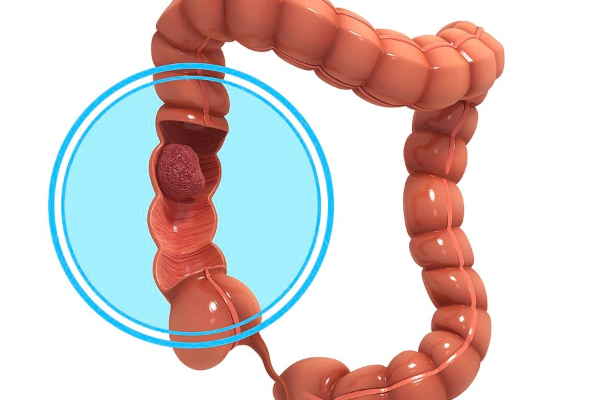
Colon cancer refers to malignant growths that begin in the large intestine (colon) or the rectum. Most of these cancers start as small polyps, which are benign but have the potential to turn cancerous over time.
Types of Colorectal Cancer:
- Adenocarcinoma (95%): Begins in the glandular cells of the colon lining
- Mucinous and signet ring carcinoma: Rare but aggressive
- Hereditary syndromes: Like FAP and Lynch syndrome
Common Risk Factors:
| Risk Factor | How It Affects You |
|---|---|
| Family history | 2–3x higher risk of colon cancerm |
| Diet rich in red/processed meat | Linked to carcinogens like nitrates |
| Obesity and diabetes | Increase inflammation and insulin resistance |
| Smoking and alcohol | Damage gut DNA and suppress immune surveillancen |
| Lack of fiber | Slows digestion and increases exposure to toxins |
| Sedentary lifestyle | Reduces gut motility and immunity |
| Inflammatory Bowel Disease (IBD) | Long-term colonic inflammation increases risk |
⚠️ 10 Early Warning Signs You Should Never Ignore
Colon cancer develops silently but reveals itself through these persistent symptoms:
- Blood in stools (bright red or dark tarry)
- Change in bowel habits – persistent constipation, diarrhea, or narrowed stool
- Unexplained fatigue or weakness
- Abdominal pain, bloating, or cramps
- Feeling that bowel doesn’t empty completely
- Unintended weight loss
- Iron deficiency anemia (especially in men and postmenopausal women)
- Loss of appetite
- Pelvic pain (in advanced cases)
- Nausea or vomiting (in obstruction cases)
If any of these symptoms last longer than 2–3 weeks, consult your gastroenterologist immediately.
🧪 How Colon Cancer Is Diagnosed at Our Hyderabad Clinic
We offer advanced, minimally invasive tools for early detection and accurate diagnosis:
- Colonoscopy – The Gold Standard
- Allows direct visual examination of the entire colon
- Polyps can be removed during the same session
- Biopsy taken for suspected growths
- Sedation ensures patient comfort
- FIT (Fecal Immunochemical Test)
- Non-invasive stool test
- Detects hidden blood in stools
- Recommended annually for average-risk individuals
- CT Colonography (Virtual Colonoscopy)
- Useful in patients who cannot undergo traditional colonoscopy
- Uses CT scans to image the colon in 3D
- CEA Blood Test (Carcinoembryonic Antigen)
- Tumor marker used to monitor progression in diagnosed cases
- Not used as a screening tool alone
🧬 When and Who Should Get Screened?
- Average Risk Patients:
- Begin screening at age 45
- Colonoscopy every 10 years, or
- Annual FIT test if colonoscopy is not feasible
- High-Risk Patients (Start at age 40 or earlier):
- Family history of colorectal cancer or polyps
- History of IBD (ulcerative colitis or Crohn’s disease)
- Genetic syndromes (FAP, Lynch syndrome)
- Previous history of colon polyps
- Red-Flag Symptoms:
Anyone with red-flag symptoms should get evaluated regardless of age.
🛡️ Can Colon Cancer Be Prevented? Yes—Here’s How
Colon cancer is one of the few cancers that can be detected early and completely prevented through polyp removal.
7 Proven Prevention Strategies:
| Lifestyle Habit | Why It Matters |
|---|---|
| High-fiber diet | Adds bulk, reduces toxin contact in colon |
| Limit red/processed meat | Reduces exposure to nitrates and carcinogens |
| Stay physically active | Improves gut movement and reduces insulin resistance |
| Maintain healthy weight | Reduces inflammatory load |
| Avoid tobacco and alcohol | Protects DNA in gut lining |
| Screen regularly after 45 | Detects polyps before they turn cancerous |
| Treat constipation promptly | Reduces toxin buildup in bowel |
👨⚕ Case Study: How a Simple Test Saved a Life
Mr. Prakash, 53, from Hyderabad came to our clinic with mild fatigue and occasional constipation. His FIT test was positive. We advised a colonoscopy, which showed a 2.5 cm polyp. It was removed during the procedure and tested—Stage I adenocarcinoma.
No chemotherapy or surgery was needed. Today, he’s cancer-free and advocates early screening among his peers.
🤝 Why Choose Dr. Rajasekhar for Colon Cancer Care?
- 35 years of experience in GI oncology and advanced endoscopy
- High-definition colonoscopy with same-day polyp removal
- Compassionate, personalized care in Hyderabad
- Access to surgical and oncological support, if needed
- Emphasis on prevention and early detection
🏥 Schedule Your Colon Cancer Screening Today
Early detection = 90% survival.
Late detection = costly treatment and complications.
Location: 📍 Dr. Rajasekhar’s Gastroenterology Clinic Hyderabad
Website: 🌐 www.drrajasekhargastro.com
📌 Conclusion: Don’t Wait for Symptoms
Colon cancer is silent but deadly. Fortunately, you have the power to stop it early—through screening, awareness, and timely medical help.
If you’re over 45, or if someone in your family had colorectal cancer, now is the time to schedule your test. Let’s make this May the month you take charge of your gut health.


