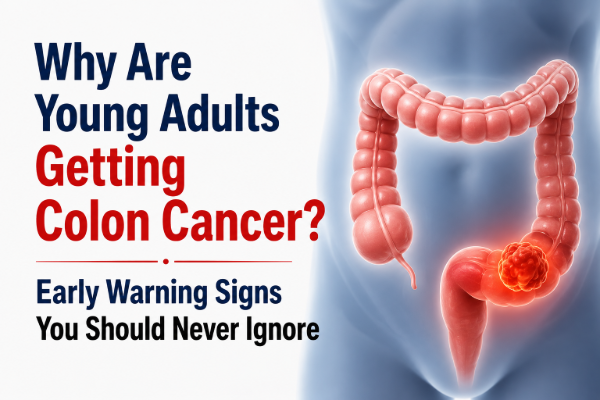
Why Colon Cancer Is No Longer a Disease of Older Adults
For decades, colorectal cancer was considered a disease affecting people above the age of 50. However, recent global research has shown a concerning trend—more people in their 20s, 30s, and 40s are being diagnosed with colon cancer than ever before.
Many young adults ignore symptoms because they believe they are "too young" to develop cancer. Unfortunately, this misconception often leads to delayed diagnosis when the disease has already progressed.
Recognizing the warning signs early can dramatically improve treatment outcomes. As an experienced Gastro Surgeon in Hyderabad, Dr. G. Rajasekhar Reddy emphasizes that awareness, timely screening, and lifestyle changes are the best defense against colorectal cancer.
What Is Colon Cancer?
Colon cancer develops when abnormal cells begin growing inside the large intestine (colon). Over time, these cells can form polyps, some of which may become cancerous if left untreated.
When detected in its earliest stages, colon cancer is one of the most treatable cancers.
Why Is Colon Cancer Increasing Among Young Adults?
Researchers are still studying the exact reasons, but several lifestyle and environmental factors appear responsible.
1. Processed Food Consumption
Modern diets are rich in processed meat, refined carbohydrates, sugary beverages, and unhealthy fats while being low in fiber.
Low-fiber diets slow bowel movement and increase exposure of the colon lining to harmful substances.
2. Obesity
Excess body fat increases chronic inflammation throughout the body.
Inflammation is known to increase the risk of several cancers, including colorectal cancer.
3. Sedentary Lifestyle
Long hours of sitting, lack of exercise, and reduced physical activity negatively affect digestive health and metabolism.
Regular exercise significantly lowers colorectal cancer risk.
4. Gut Microbiome Changes
The balance of healthy bacteria inside the intestine is changing because of:
- Antibiotic overuse
- Fast food
- Poor diet
- Chronic stress
An unhealthy gut microbiome may contribute to chronic inflammation and cancer development.
5. Family History
Individuals with close relatives diagnosed with colon cancer have a higher lifetime risk.
Genetic conditions like Lynch Syndrome and Familial Adenomatous Polyposis (FAP) require early screening.
6. Smoking and Alcohol
Both smoking and excessive alcohol consumption damage intestinal cells and increase cancer risk.
Early Symptoms That Should Never Be Ignored
Many patients mistake early colon cancer symptoms for piles, indigestion, IBS, or food poisoning.
Common symptoms include:
Blood in Stool
Bright red or dark blood should never be ignored.
Even if bleeding stops, medical evaluation is necessary.
Persistent Change in Bowel Habits
- Constipation
- Diarrhea
- Narrow stools
- Frequent urge to pass stool
Symptoms lasting more than three weeks require medical attention.
Abdominal Pain
Persistent cramping, bloating, or discomfort that doesn't improve should be evaluated.
Unexplained Weight Loss
Losing weight without dieting or exercising may indicate an underlying medical condition.
Fatigue
Slow internal bleeding may lead to iron deficiency anemia, causing:
- Weakness
- Dizziness
- Fatigue
Feeling That Bowels Don't Empty Completely
This sensation can occur when a tumor partially blocks the colon.
Who Is at Higher Risk?
You may have increased risk if you:
- Are overweight
- Smoke
- Consume alcohol regularly
- Eat processed meat frequently
- Have inflammatory bowel disease
- Have diabetes
- Have family history of colon cancer
- Have inherited genetic disorders
When Should You Get Screened?
Screening recommendations have changed in recent years.
Average-risk adults should begin colorectal cancer screening at age 45.
Earlier screening may be recommended if:
- Family history exists
- Blood in stool occurs
- Long-standing ulcerative colitis or Crohn's disease
- Genetic syndromes are present
How Is Colon Cancer Diagnosed?
Medical History
Your gastro specialist will ask about:
- Symptoms
- Family history
- Weight changes
- Diet
- Bowel habits
Physical Examination
A thorough examination helps identify possible causes of symptoms.
Blood Tests
These may detect:
- Anemia
- Infection
- Liver function abnormalities
Stool Tests
Stool tests can detect hidden blood that may not be visible.
Colonoscopy
A colonoscopy is considered the gold standard for diagnosing colon cancer.
During the procedure:
- The entire colon is examined.
- Polyps can be removed immediately.
- Tissue samples (biopsies) can be taken.
CT Scan and MRI
Imaging determines whether cancer has spread and helps plan treatment.
Treatment Options
Treatment depends on:
- Stage
- Tumor size
- Overall health
- Spread of disease
Options include:
Minimally Invasive Surgery
Whenever appropriate, laparoscopic surgery allows:
- Smaller incisions
- Faster recovery
- Less pain
- Shorter hospital stay
Robotic Surgery
Advanced robotic-assisted surgery offers excellent precision in selected patients.
Chemotherapy
May be recommended:
- Before surgery
- After surgery
- For advanced disease
Targeted Therapy
Certain advanced cancers respond well to targeted medications.
Immunotherapy
Selected patients with specific genetic markers may benefit from immunotherapy.
Can Colon Cancer Be Prevented?
Many cases can be prevented through healthy lifestyle habits.
Eat More Fiber
Include:
- Fruits
- Vegetables
- Whole grains
- Lentils
- Beans
Reduce Processed Meat
Limit:
- Sausages
- Bacon
- Processed meats
- Fast food
Exercise Regularly
Aim for at least:
150 minutes of moderate physical activity each week.
Maintain Healthy Weight
Weight management reduces inflammation and cancer risk.
Quit Smoking
Smoking damages every organ, including the digestive tract.
Limit Alcohol
Moderation is important for reducing gastrointestinal cancer risk.
Don't Ignore Symptoms
Persistent digestive symptoms always deserve medical evaluation.
Why Early Detection Saves Lives
When colon cancer is detected early:
- Treatment is simpler.
- Surgery is often curative.
- Survival rates exceed 90% for localized disease.
- Recovery is significantly better.
Delayed diagnosis often requires more extensive treatment.
Why Choose Dr. G. Rajasekhar Reddy?
Choosing an experienced gastrointestinal surgeon is essential for accurate diagnosis and effective treatment.
Dr. G. Rajasekhar Reddy is a renowned Gastro Surgeon in Hyderabad with expertise in:
- Colon cancer diagnosis
- Advanced colonoscopy
- Gastrointestinal surgery
- Laparoscopic GI procedures
- Complex digestive disorders
- Personalized treatment planning
Patients receive evidence-based care with a focus on early diagnosis, minimally invasive treatment whenever appropriate, and comprehensive long-term follow-up.
Frequently Asked Questions (FAQs)
Can people under 40 get colon cancer?
Yes. Colon cancer is increasingly being diagnosed in adults younger than 40. Persistent symptoms should always be evaluated.
Is blood in stool always due to piles?
No. Although hemorrhoids are common, blood in stool may also indicate colon polyps, inflammatory bowel disease, or colon cancer.
At what age should colonoscopy be done?
Most average-risk adults should begin screening at age 45. Earlier screening is advised for those with family history or high-risk conditions.
Can colon cancer be cured?
Yes. Early-stage colon cancer is highly treatable, especially when detected before it spreads.
What foods reduce colon cancer risk?
A diet rich in fruits, vegetables, whole grains, legumes, and fiber while limiting processed meats and excessive alcohol can reduce risk.
Is colonoscopy painful?
Colonoscopy is generally performed under sedation, making the procedure comfortable for most patients.
What are the first symptoms of colon cancer?
Common early symptoms include blood in stool, persistent changes in bowel habits, abdominal pain, unexplained weight loss, fatigue, and anemia.
Should young adults be worried about colon cancer?
Young adults should not panic, but they should never ignore persistent digestive symptoms. Early consultation with a gastro specialist can lead to timely diagnosis and better outcomes.
Conclusion
Colon cancer is no longer limited to older adults. Increasing cases among younger individuals highlight the importance of recognizing symptoms early, adopting healthier lifestyle habits, and seeking timely medical care. Persistent changes in bowel habits, unexplained bleeding, or abdominal discomfort should never be ignored.
If you experience ongoing digestive symptoms or have a family history of colorectal cancer, consult Dr. G. Rajasekhar Reddy, an experienced Gastro Surgeon in Hyderabad, for a comprehensive evaluation and appropriate screening. Early diagnosis remains the most effective way to prevent complications and achieve successful treatment outcomes.


