Gallstones: The common FAQ

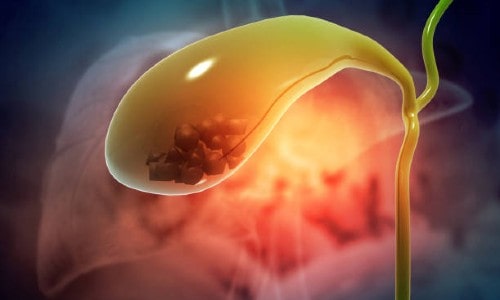
The gallbladder is a small-sized organ located below the liver in the right upper quadrant of the abdomen. Its primary function is to store bile juice that assists digestion. Gallbladder stones are a medical condition wherein hardened deposits of cholesterol and bilirubin develop and sometimes get lodged in the gallbladder or bile ducts. These stones may vary from the size of a golf ball to a grain of rice. Many stones may develop simultaneously. These stones can leave the gallbladder and get stuck along the way.

This is when a person may feel the first instance of abdominal pain and discomfort. Interestingly, large gallbladder stones usually stay in the gallbladder and do not cause discomfort. Depending on the size and distress caused, these stones can be removed surgically or via symptomatic care. Contact Dr. G Rajshekar Reddy, the best Gallstone treatment in Hyderabad.

Gallbladder stones are usually harmless and dissolve on their own. But, they may be life-threatening if these stones block any duct or cause an infection. Hence, it is worthwhile to take preventive measures. Avoid processed food; consume more fresh fruits, vegetables, legumes, grains, and nuts. Maintaining a healthy lifestyle reduces the chance of acquiring many diseases.

What does the gallbladder do?

The gallbladder stores and releases bile into the small intestine as you eat to help digest fat.

Does the gallbladder produce bile?

No. The bile fluid is produced in the liver and stored in the gallbladder. A duct system beginning at the liver helps bile pass in and out of the gallbladder.

What are gallstones?

Gallstones are hardened deposits of bile formed in your gallbladder and can range in size from a sand grain to a golf ball.

How can gallstones affect you?

Sometimes, gallstones can block the gallbladder’s outlet. If this happens when the gallbladder contracts to release bile, you may feel a sharp pain or nausea. These symptoms usually occur after a meal.

How long does the pain from gallbladder attacks last?

Some gallbladder attacks are minor, so the pain will subside within a few minutes to hours, while others are more severe and may need immediate medical treatment. If you have already experienced a gallbladder attack, you can expect more of them in the future.

How can you know if you have gallstones?

An ultrasound or a CT scan can help detect the presence of gallstones.

Can you have gallbladder attacks without gallstones?

When the bile inside your gallbladder becomes thick, it might become difficult for the bladder to release it easily. In such circumstances, your gallbladder will send the same signals as if it were obstructed by gallstones, resulting in symptoms similar to gallbladder attacks.

Can gallstones move out of the gallbladder?

Yes. It is a rare but severe problem. After leaving the gallbladder, gallstones may block the ducts between the intestine and the liver, causing a life-threatening infection called ascending cholangitis.

How can gallstones be treated?

Either can treat gallstones:

  • Cholecystectomy (surgery to remove the gallbladder)
  • Medicine (for patients who cannot undergo surgery)

Can gallstones cause pancreatitis?

Yes, gallstones can lead to inflammation of the pancreas (pancreatitis). This happens when the gallstone traveling through the bile duct obstructs the pancreatic duct, which joins the duct passing from the liver to the intestine.

Have more questions about gallbladder diseases? Contact Dr. G Rajshekar Reddy, the best gastro surgeon in Hyderabad, who is highly experienced in diagnosing and treating gallstone conditions with our least invasive treatment options, ensuring quicker recoveries and better outcomes each time!

RECENT POSTS

  • Why Are Young Adults Getting Colon Cancer? Early Warning Signs You Should Never Ignore
    13/08/2026
  • The Gut-Brain Connection: How Your Digestive Health Affects Stress, Anxiety, Sleep, and Overall Well-Being
    06/07/2026
  • Why Are Digestive Disorders Increasing Among IT Professionals? Understanding the Gut-Work Connection
    15/06/2026
  • Fatty Liver Disease in Young Adults: Early Warning Signs, Causes, and Prevention Tips
    19/05/2026
  • Gallbladder Stones: When Do You Really Need Surgery? | Expert Advice from a Gastroenterologist in Jubilee Hills Hyderabad
    16/04/2026
  • Why Are Thousands of Patients in Hyderabad and Secunderabad Choosing This One Doctor?
    13/03/2026
  • Why Early Testing Matters for Digestive Health
    04/02/2026
  • Understanding Small Intestinal Bacterial Overgrowth (SIBO): Symptoms, Causes & Treatment
    31/01/2026
  • 5 Warning Signs Your Liver is Struggling (and How to Reverse It)
    23/12/2025
  • Advanced Endoscopic Procedures for Diagnosing and Treating GI Issues
    10/11/2025
  • How Diet and Lifestyle in Hyderabad Affect Digestive Health
    20/10/2025
  • The Importance of Laparoscopic Surgery for Common GI Conditions
    20/09/2025
  • Signs that you could have a digestive disease and when to get help
    20/08/2025
  • Gut Microbiome and Immunity: Why Your Gut Health Determines How Strong Your Immune System Is
    20/07/2025
  • Digestive Health in Summer: Tips to Avoid Acidity, Infections & Gut Troubles
    20/06/2025
  • Colon Cancer in India: The Silent Killer You Can Stop Early
    15/05/2025
  • Surgical Treatment of Crohn’s Disease and Ulcerative Colitis
    01/02/2025
  • The Importance of Early Diagnosis in Digestive Disorders
    31/01/2025
  • Understanding the Benefits of Laparoscopic Surgery for Digestive Health
    02/12/2024
  • Bariatric Surgery: Is It the Right Option for You? with Dr. Rajasekhar Reddy
    02/11/2024
  • The Benefits of Laparoscopic Surgery: Why Minimally Invasive is the Future of Surgery with Dr. Rajasekhar Reddy
    02/10/2024
  • Managing Chronic Pancreatitis: Causes, Symptoms, and Advanced Treatment Options with Dr. Rajashekhar Reddy
    02/08/2024
  • Understanding the Impact of Aging on Digestive Health
    14/07/2024
  • Gastroparesis: Causes, Symptoms, and Management
    14/06/2024
  • Understanding Inflammatory Bowel Disease (IBD): Symptoms, Types, and Treatment Options
    14/05/2024
  • Understanding Piles: Causes, Symptoms, and Treatment Options
    14/05/2024
  • Laparoscopic Liver Resection: Advantages and Applications
    20/04/2024
  • Enhancing Patient Recovery with Laparoscopic Bariatric Surgery
    20/04/2024
  • Advancements in Minimally Invasive Surgery: Transforming General Surgery with Dr. Rajashekhar Reddy
    21/03/2024
  • Shining a Light on Colorectal Cancer: Understanding, Prevention, and Hope with Dr. Rajashekhar Reddy in Hyderabad
    21/03/2024
  • Understanding GERD: Causes and Treatment
    08/02/2024
  • Understanding the Condition and Finding the Best Treatment with Dr. Rajashekar Reddy in Hyderabad
    08/02/2024
  • Embracing Comfort: The Transformative Potential of Laser Surgery for Piles
    27/12/2023
  • Unveiling the Essentials of Gallbladder Surgery: A Path to Health and Relief
    27/12/2023
  • Lap meshplasty of obstructed rt inguinoscrotal hernia
    04/11/2023
  • Fatty liver disease
    21/04/2023
  • Colon Cancer Prevention
    22/03/2023
  • More than just being aware. We need to TAKE ACTION!
    08/02/2023
  • Gallstones: The common FAQ
    01/02/2023
  • Why Stomach Ulcer Won’t Heal!
    01/02/2023
  • Fistula Laser Treatment: Top 5 Myths
    19/10/2022
  • Diet to Deal With Hemorrhoids and Laser Treatment
    26/08/2022
  • What Causes Ulcerative Colitis?
    24/06/2022
  • What Does the Size of Your Gallstone Mean?
    30/05/2022
  • Acid Reflux, Heartburn and its Symptoms
    17/02/2021
  • Christmas Doesn’t Have to Be a Digestive Disaster
    10/12/2020
  • New Year’s Guide to a Healthier Life
    10/12/2020
  • Food Swaps for Better Digestion
    10/12/2020
  • Dr. G Rajashekhar
    whatsapp