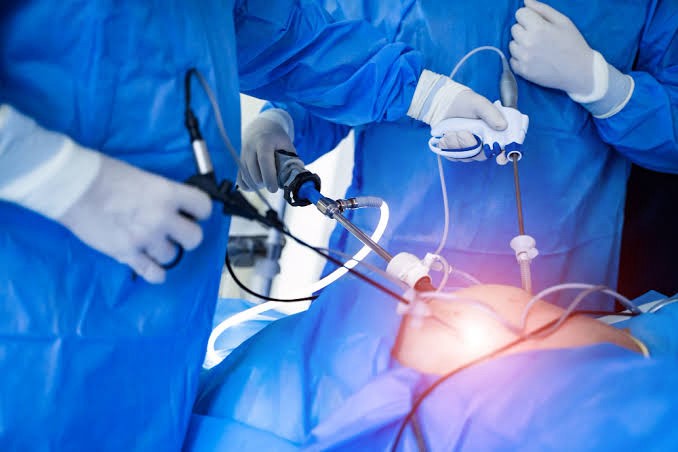
In the field of surgery, advancements in technology have brought remarkable changes, and one of the most significant innovations is laparoscopic surgery. Unlike traditional open surgery, which involves large incisions, laparoscopic surgery uses small cuts, specialized tools, and a camera to perform various procedures. This minimally invasive technique is rapidly becoming the preferred option for many surgeries due to its numerous benefits. As a Senior Consultant Surgeon specializing in General Surgery, Surgical Gastroenterology, Laparoscopic, and Bariatric Surgery in Hyderabad, Dr. G. Rajasekhar Reddy is at the forefront of this transformation, bringing better surgical outcomes to his patients.
What is Laparoscopic Surgery?
Laparoscopic surgery, also known as minimally invasive surgery, involves making small incisions through which a laparoscope—a thin tube with a high-resolution camera—is inserted. The camera provides a magnified view of the inside of the body, allowing the surgeon to perform intricate procedures with precision. Surgical instruments are introduced through other small incisions to carry out the necessary steps of the procedure.
Key Benefits of Laparoscopic Surgery
- Smaller Incisions and Less Scarring: One of the most obvious benefits of laparoscopic surgery is that it requires much smaller incisions compared to traditional surgery. This reduces scarring and provides a better cosmetic outcome for patients, particularly important for abdominal surgeries.
- Reduced Pain and Discomfort: Smaller incisions mean less trauma to the body, which results in less postoperative pain and discomfort. This can significantly reduce the need for pain medications and improve patient comfort.
- Quicker Recovery and Shorter Hospital Stays: Traditional surgery often requires longer hospital stays and recovery periods. With laparoscopic procedures, patients typically recover faster, allowing them to return to their daily activities sooner. Most patients experience shorter hospital stays and faster wound healing, which is particularly beneficial for those with busy lifestyles.
- Lower Risk of Infection and Complications: Smaller incisions reduce exposure to potential infections and decrease blood loss during surgery. This leads to a lower risk of complications, making laparoscopic surgery a safer option.
- Enhanced Precision and Visualization: The laparoscopic camera provides a magnified view of the surgical site, allowing surgeons to work with enhanced precision. This is especially beneficial for complex procedures where detailed visualization is critical, such as surgeries in sensitive areas of the abdomen.
Common Procedures Performed Laparoscopically
- Gallbladder Removal (Cholecystectomy): A common laparoscopic procedure used to treat gallstones and inflammation.
- Hernia Repair: Minimally invasive hernia repair reduces the risk of recurrence and allows for a faster recovery.
- Appendectomy: Laparoscopic appendectomy is effective for appendicitis treatment with minimal scarring.
- Bariatric Surgery: For patients struggling with obesity, laparoscopic bariatric surgery can be a transformative option with reduced complications.
Conclusion
Laparoscopic surgery represents the future of surgical care. For patients who require surgery, this minimally invasive approach offers a host of benefits that lead to better outcomes and improved quality of life. Dr. G. Rajasekhar Reddy is highly skilled in this advanced surgical method, offering patients in Hyderabad and beyond a safer, more effective option. If you or a loved one is in need of surgery, consult Dr. Reddy to explore the benefits of laparoscopic surgery and discuss if it is the right option for you.


