Introduction
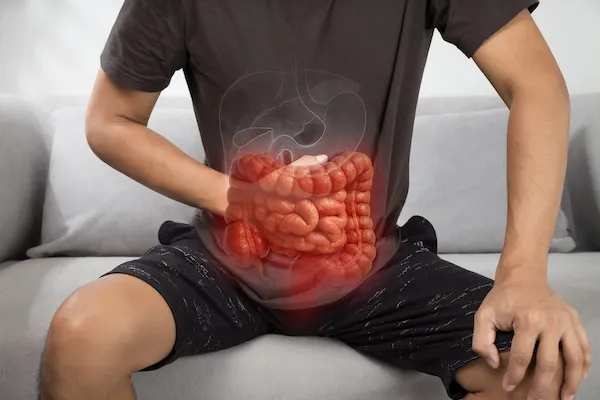
Hyderabad is one of India's leading technology hubs, home to thousands of IT professionals working long hours in fast-paced environments. While technology has transformed the way we work, it has also introduced lifestyle habits that can negatively impact digestive health. Increasingly, gastroenterologists are seeing young professionals suffering from acidity, bloating, constipation, irritable bowel syndrome (IBS), fatty liver disease, and other gastrointestinal disorders.
Many individuals assume these symptoms are minor inconveniences caused by occasional stress or irregular meals. However, persistent digestive issues can significantly affect quality of life and may indicate underlying gastrointestinal conditions requiring medical attention.
As an experienced Gastro Surgeon in Hyderabad, Dr. G. Rajasekhar Reddy frequently treats professionals whose digestive problems stem from modern workplace habits. Understanding the connection between work patterns and gut health is the first step toward prevention and treatment.
The Modern Workplace and Digestive Health
The digestive system functions best when the body follows a regular routine. Unfortunately, many IT professionals experience:
- Long working hours
- Extended sitting periods
- Irregular meal timings
- Excessive caffeine intake
- High stress levels
- Poor sleep quality
- Lack of physical activity
These factors directly affect digestion and can trigger a range of gastrointestinal disorders.
How Stress Affects the Gut
The gut and brain are closely connected through what medical experts call the "Gut-Brain Axis."
When a person experiences stress:
- Digestive processes slow down or become irregular
- Stomach acid production may increase
- Intestinal movements become unpredictable
- Gut bacteria balance can be disrupted
This explains why stressful workdays often lead to symptoms such as:
- Acidity
- Indigestion
- Stomach cramps
- Bloating
- Diarrhea
- Constipation
Chronic workplace stress can worsen existing digestive disorders and increase the likelihood of developing new ones.
Common Digestive Problems Seen in IT Professionals
Gastroesophageal Reflux Disease (GERD)
GERD occurs when stomach acid repeatedly flows back into the esophagus.
Common symptoms include:
- Heartburn
- Chest discomfort
- Sour taste in the mouth
- Chronic cough
- Difficulty swallowing
Late-night meals and prolonged sitting after eating significantly increase GERD risk.
Irritable Bowel Syndrome (IBS)
IBS is one of the most common conditions affecting office workers.
Symptoms include:
- Abdominal pain
- Gas formation
- Bloating
- Diarrhea
- Constipation
Stress often acts as a major trigger.
Chronic Constipation
Many professionals ignore the urge to pass stools due to meetings, deadlines, or travel.
Combined with low water intake and limited movement, this contributes to chronic constipation.
Gastritis
Excessive coffee consumption, skipped meals, and stress can irritate the stomach lining, resulting in gastritis.
Symptoms may include:
- Burning stomach pain
- Nausea
- Loss of appetite
- Bloating
Fatty Liver Disease
Sedentary lifestyles and unhealthy eating habits have made fatty liver disease increasingly common among young employees.
Without treatment, it may progress to serious liver complications.
The Hidden Impact of Sitting for Long Hours
Research has shown that prolonged sitting slows metabolism and affects digestive function.
Sitting continuously for several hours can:
- Reduce intestinal movement
- Increase constipation risk
- Promote weight gain
- Increase fatty liver risk
- Contribute to acid reflux
Even individuals who exercise regularly may experience adverse effects if they spend most of their day seated.
The Role of Food Delivery Culture
Convenience has changed eating habits dramatically.
Many professionals rely on:
- Fast food
- Processed snacks
- Sugary beverages
- Late-night meals
While convenient, these foods often contain:
- Excess calories
- Refined carbohydrates
- Unhealthy fats
- High sodium levels
Over time, these dietary choices contribute to digestive disorders and metabolic diseases.
Sleep Deprivation and Digestive Health
Poor sleep affects more than energy levels.
Insufficient sleep can:
- Increase acid production
- Alter gut bacteria
- Trigger food cravings
- Affect bowel movements
- Increase inflammation
Night-shift workers are particularly vulnerable to digestive problems due to disruptions in the body's natural biological clock.
Warning Signs You Should Not Ignore
Consult a gastro specialist if you experience:
- Persistent heartburn
- Frequent bloating
- Chronic constipation
- Blood in stools
- Unexplained weight loss
- Difficulty swallowing
- Recurring abdominal pain
- Changes in bowel habits lasting more than two weeks
Early diagnosis can prevent complications and improve treatment outcomes.
Practical Gut Health Tips for IT Professionals
Follow Regular Meal Timings
Try to eat meals at consistent times daily.
Avoid skipping breakfast and late-night heavy dinners.
Stay Hydrated
Drink adequate water throughout the workday.
Hydration supports digestion and helps prevent constipation.
Take Walking Breaks
Stand up and walk for a few minutes every hour.
Small movements significantly improve digestive function.
Reduce Excessive Caffeine
Limit coffee and energy drink consumption.
Too much caffeine may worsen acidity and gastritis symptoms.
Prioritize Sleep
Aim for 7–8 hours of quality sleep each night.
Good sleep supports both digestive and overall health.
Include Fiber-Rich Foods
Consume:
- Fruits
- Vegetables
- Whole grains
- Legumes
Fiber promotes healthy bowel movements and supports beneficial gut bacteria.
Manage Stress Effectively
Stress management techniques include:
- Meditation
- Yoga
- Deep breathing exercises
- Physical activity
- Hobbies outside work
When Is Surgical Consultation Needed?
Most digestive disorders can be managed through medication and lifestyle modifications.
However, surgical evaluation may be necessary for:
- Severe GERD
- Gallbladder disease
- Hernias
- Gastrointestinal tumors
- Complicated gastrointestinal conditions
Timely consultation with an experienced Gastro Surgeon in Hyderabad ensures accurate diagnosis and appropriate treatment planning.
Expert Care from Dr. G. Rajasekhar Reddy
Dr. G. Rajasekhar Reddy is a highly experienced Gastro Surgeon in Hyderabad specializing in the diagnosis and treatment of gastrointestinal, liver, pancreatic, and laparoscopic surgical conditions.
His approach focuses on identifying the root cause of digestive symptoms, providing evidence-based treatment, and helping patients adopt sustainable lifestyle changes that improve long-term digestive health.
Frequently Asked Questions
Why do IT professionals commonly experience acidity?
Irregular meals, stress, excessive caffeine intake, and prolonged sitting contribute to acidity and acid reflux.
Can stress directly affect digestion?
Yes. The gut-brain connection means psychological stress can significantly impact digestive function.
Is bloating after meals normal?
Occasional bloating is common, but persistent bloating may indicate digestive disorders requiring evaluation.
How much water should office workers drink daily?
Most adults benefit from approximately 2–3 liters of water daily, depending on activity level and climate.
Can sitting for long hours cause digestive problems?
Yes. Prolonged sitting can slow digestion, worsen constipation, and contribute to acid reflux.
When should I see a gastro specialist?
If digestive symptoms persist for more than two weeks or interfere with daily life, seek medical evaluation.
Can digestive disorders be prevented?
Many digestive conditions can be prevented through healthy eating, regular exercise, stress management, and routine medical check-ups.
Conclusion
The rise in digestive disorders among IT professionals highlights the growing impact of modern work culture on gut health. Long hours, stress, poor dietary habits, and inadequate sleep create the perfect environment for gastrointestinal problems to develop.
Recognizing symptoms early and making proactive lifestyle changes can significantly improve digestive health. If you experience ongoing digestive issues, consult Dr. G. Rajasekhar Reddy, a trusted Gastro Surgeon in Hyderabad, for expert evaluation and personalized treatment.


