Pancreatic surgery is performed to treat pancreatic disorders. Dr. Rajasekhar Reddy emphasizes a multidisciplinary approach for treating pancreatic disorders. At Apollo Hospital Jubliee Hills, Dr. Rajasekhar Reddy provides a fast and effective evaluation to avoid time-consuming repeat visits to the hospital and to avoid the discomfort that the patient has to bear because of the pancreatic problems in day to day activities.
Being one of the Best Gastro Surgeon, Dr. Rajasekhar Reddy provide the most effective & affordable Pancreatic Surgery in Jubliee Hills, Hyderabad, Schedule your appointment now with Hepatobiliary & Pancreatic Surgery Specialist at Apollo Hospital Jubliee Hills, Hyderabad.
What is Hepatobiliary & Pancreatic Surgery?
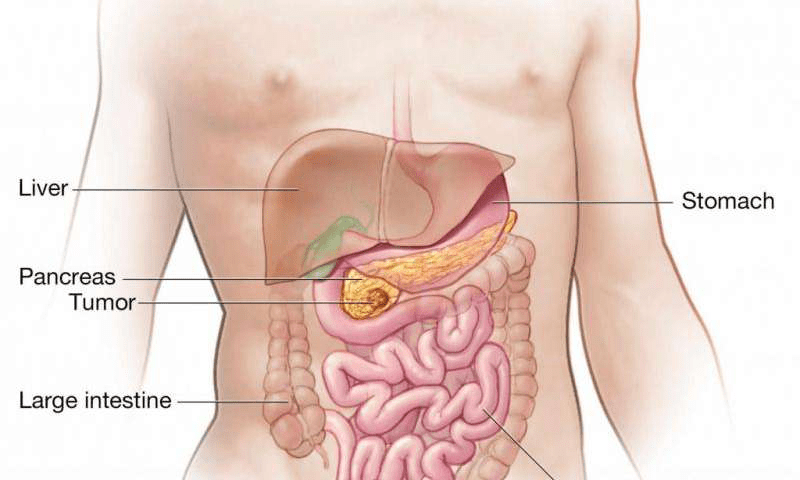
The liver, pancreas, gall bladder and bile duct are known as the hepatobiliary and pancreatic system. Surgery to treat cancers and disorders in these organs is highly complicated and challenging and requires a high level of skill and expertise.
Hepatobiliary and pancreatic surgery can be performed using minimally invasive techniques.
Some common procedures include:
- Removal of the distal (lower) stomach with the Whipple procedure
- Anti-reflux surgery for the gastrointestinal system
- Pancreatectomy (partial or total removal of the pancreas)
- Cholecystectomy (gall bladder removal)
- Bile duct resection and reconstruction
- Liver transplant and liver resection (partial or total removal of the liver)
“Smoking and Health History Can Affect the Risk of Pancreatic Cancer.”
Why do You Need Hepatobiliary & Pancreatic Surgery?
Hepatobiliary and pancreatic surgery is used to treat cancers and diseases of these organs. It includes the resection (removal) of primary and metastatic (secondary) tumours of the liver, gall bladder, bile duct and pancreas. It is also used to treat benign diseases like cysts, bile duct injuries and strictures (blockage), and portal hypertension. Some tumours affecting the liver, gall bladder and bile duct might need major resections, and might therefore need complex reconstruction of the bile duct, hepatic artery and portal vein.
At Apollo Hospital, Dr. Rajasekhar Reddy offer treatments for all the pancreatic disorders some of which include:
- Chronic Pancreatitis
- Acute Pancreatitis
- Pancreatic Cancer
Where can I get Pancreatic Surgery in Hyderabad
At Apollo Hospital Jubliee Hills, Dr. Rajasekhar Reddy is committed to give you a comprehensive care. Multidisciplinary team of surgeons, nurses and therapists at Apollo Hospital are here to guide you through the entire treatment and recovery process.
Patients can benefit from Apollo Hospital’s advanced equipment and facilities. Minimally invasive techniques reduce trauma and scarring while improving success rates and recovery speed, while computer-aided robotic surgery allows for added precision during surgical procedures.


