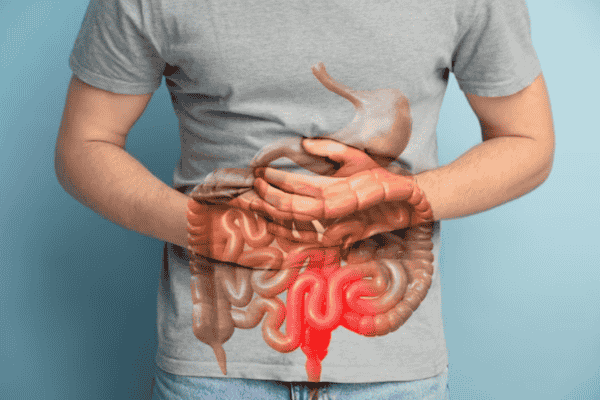
Digestive disorders encompass a wide range of conditions, some of which can lead to severe complications if not addressed promptly. Early diagnosis is critical not only for effective treatment but also to prevent progression into more serious conditions. Dr. G. Rajasekhar Reddy, a senior consultant in gastroenterology, advocates for the importance of addressing digestive health issues early on. Below, we’ll explore why early diagnosis is crucial for maintaining optimal digestive health.
1. Prevention of Serious Health Complications
Many digestive disorders are often asymptomatic in their early stages, which means they can develop silently until they reach an advanced level. For example, chronic acid reflux (GERD) that goes untreated can lead to esophageal ulcers or even esophageal cancer. Likewise, untreated Crohn’s disease or ulcerative colitis may result in irreversible bowel damage, leading to malabsorption or even the need for surgical removal of parts of the intestines. By identifying these issues early, doctors can take immediate action to prevent them from escalating into more serious problems. Timely intervention also helps to reduce the need for invasive treatments, surgeries, or prolonged hospital stays.
2. Managing Symptoms and Improving Daily Life
Digestive disorders, even if they aren't immediately life-threatening, can significantly affect the quality of life. Conditions such as Irritable Bowel Syndrome (IBS), celiac disease, or non-alcoholic fatty liver disease (NAFLD) often cause discomfort like bloating, cramps, diarrhea, or constipation. These symptoms, if not managed properly, can disrupt daily activities, from work to social events. Early diagnosis of such conditions enables healthcare professionals to offer treatments that effectively manage these symptoms, helping patients resume their normal activities with minimal discomfort. For example, a diet modification plan or appropriate medication can significantly reduce bloating and discomfort, allowing individuals to focus on their work or social engagements without worrying about their digestive issues.
3. Minimizing Complications and Avoiding Major Surgery
As digestive disorders progress, they often lead to complications that require extensive medical intervention. Conditions like gallstones, peptic ulcers, and diverticulitis can result in emergency surgeries if not diagnosed and treated early. For instance, untreated gallstones may block bile ducts, causing severe pain or even leading to a life-threatening infection called cholangitis. Early detection allows for simple, minimally invasive treatments like laparoscopy to remove gallstones before they develop into more complex issues. Timely diagnosis and proactive treatment can minimize the need for major surgeries or extensive hospital stays.
4. Better Treatment Outcomes with Early Diagnosis
The earlier digestive conditions are diagnosed, the more effective treatment can be. For example, if colorectal cancer is diagnosed in its early stages, the survival rate is significantly higher compared to late-stage diagnosis. Early detection enables physicians to offer treatments that can prevent the disease from spreading and can result in higher success rates of therapies. Additionally, conditions such as chronic pancreatitis, if caught early, can be managed with lifestyle modifications, medications, or minimally invasive procedures, which can dramatically improve a patient's quality of life.
5. Improving Long-Term Prognosis
Certain digestive disorders, such as cirrhosis of the liver, liver fibrosis, or colorectal cancer, have a much better prognosis if detected early. For instance, patients with liver cirrhosis who receive early diagnosis and follow treatment regimens have a better chance of managing their liver health and preventing further damage. Liver transplants or liver failure can be avoided in many cases by following a prescribed treatment plan and undergoing routine screening tests. Additionally, screening for colorectal cancer, especially in individuals at high risk, can detect polyps or early-stage cancer when it is most treatable, leading to a higher chance of survival.
6. Enhanced Monitoring for At-Risk Populations
Individuals who have a family history of digestive disorders, such as colorectal cancer or Crohn’s disease, should undergo regular screenings to ensure any potential issues are detected early. Similarly, people with a history of heavy alcohol consumption or smoking should also get evaluated for conditions like fatty liver disease, cirrhosis, or pancreatitis. Early diagnosis is especially important for these individuals because their risk of developing serious digestive conditions is higher. Regular check-ups and screenings enable healthcare providers to offer preventive care, reduce risk factors, and manage any emerging issues before they become more severe.
7. Prevention of Chronic Disease Progression
For people suffering from chronic digestive diseases, early intervention is essential to prevent the condition from becoming progressively worse. For example, in cases of inflammatory bowel disease (IBD) like Crohn’s disease or ulcerative colitis, early diagnosis and treatment can reduce flare-ups and complications such as strictures or bowel obstructions. Patients can manage their condition more effectively with the right treatment plan, leading to fewer hospitalizations and improved long-term outcomes. In conditions like irritable bowel syndrome (IBS), identifying the triggers early on and making necessary dietary or lifestyle changes can prevent the condition from worsening and causing more distress to the patient.
8. Peace of Mind and Reduced Anxiety
Digestive symptoms such as bloating, nausea, diarrhea, and unexplained weight loss can lead to significant anxiety, especially if the cause is unknown. Patients often worry about more serious underlying conditions, which can affect their mental health and wellbeing. An early diagnosis from a trusted gastroenterologist like Dr. G. Rajasekhar Reddy provides clarity, reduces fear, and allows patients to focus on their treatment plan rather than worry about the potential consequences of untreated conditions. Knowing that they have taken the necessary steps toward proper care helps alleviate stress and improve overall health.
When Should You See a Gastroenterologist?
If you're experiencing any of the following persistent digestive symptoms, it’s time to consult with a specialist:
- Unexplained weight loss
- Chronic heartburn, acid reflux, or regurgitation
- Blood in stools or dark-colored stools
- Persistent abdominal pain or bloating
- Chronic diarrhea or constipation
- Difficulty swallowing or a feeling of food stuck in your throat
- Nausea or vomiting that lasts for more than a few days
These symptoms, while common, may indicate a more serious underlying condition. It’s important to seek advice from an expert like Dr. G. Rajasekhar Reddy to rule out any severe conditions and receive appropriate treatment. Timely diagnosis of digestive issues not only ensures better treatment but also significantly improves long-term health.
Conclusion
Digestive disorders can range from mild to life-threatening, but early diagnosis and intervention are key to managing these conditions effectively. With the expertise of Dr. G. Rajasekhar Reddy, patients can receive accurate diagnoses, tailored treatment plans, and ongoing care to improve their digestive health. If you’re experiencing any digestive symptoms, don’t delay—schedule an appointment today to ensure your digestive health is in good hands and to help you maintain a happy, healthy life.


