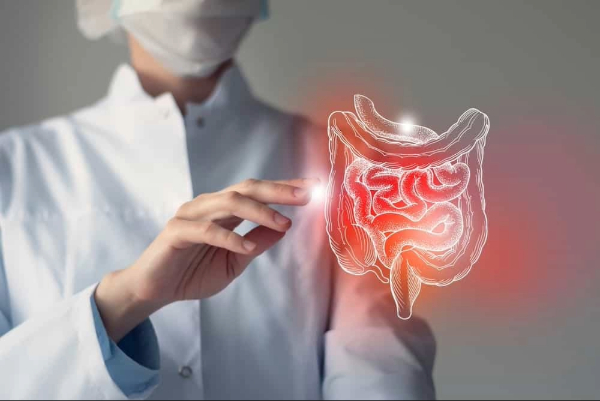
When it comes to digestive health, timing really is everything. A lot of us dismiss occasional stomach discomfort, bloating or a little irregularity as no big deal. However, even what may initially appear to be benign digestive symptoms can sometimes spell trouble in some of the more serious gastrointestinal disorders. Early Diagnosis of digestive disorders can mean the difference in simple treatment and more complex types of intervention – sometimes the different between life and death.
Hyderabad’s fast lives and changing dietary habits are leading to increasing digestive afflictions but it is vital that the symptoms of poor gut health be identified early and time-honored remedies should only be approached at their doorstep.
Why Early Detection Matters
Digestive issues include anything from acid reflux and peptic ulcers to inflammatory bowel disease or colorectal cancer. When discovered and treated early, solutions are less invasive, more successful and dramatically less expensive. Precancerous polyps found during a typical colonoscopy can be removed on the spot, averting cancer before it even forms. Milder IBD is associated with stronger response to medication compared to more severe IBD requiring surgical intervention.
In addition to physiological advantages, early diagnosis has a significant effect on the quality of life. An accurate diagnosis provides relief, clarity and direction for recovery that will all benefit your mental and emotional health.
Common Causes & Risk Factors
Knowing what can put you in the way of danger keeps you on guard:
Lifestyle habits: Lack of routine eating, consumption of processed foods, shortage of fibre and consumption or too much spicy or oily food put a burden on the digestive system. Smoking and alcohol are also more irritation to the GI tract.
Stress: The connection between the gut and brain is strong. The result is that anxiety and depression aggravate or incite IBS, IBD and acid reflux.
Age and genetics: Risk of many digestive problems increases with age. Your risk is dramatically higher with a family history of IBD, celiac disease or GI cancers.
Infections: The bacteria H. pylori causes ulcers and cancer risks in the stomach. NSAID long-term use harms the lining of the stomach.
Obesity: Abdominal pressure adds to the risk of both acid reflux and to fatty liver disease. Physical inactivity slows digestion.
Signs your gut health could be off balance
And keeping an eye out for any signs of poor gut health is your first line of defense:
Seek Immediate Care For:
- Blood in stool or vomit (bloody or black, tarry stools)
- Persistent,0 3 Severe abdominal pain
- Swallowing difficulty or repeated vomiting
- Significant (unintended weight loss>5kg.
- Fever persisting with diarrhoea/Abdominal symptoms
- Jaundice (a yellowing of the skin or the whites of the eyes)
Schedule Prompt Consultation For:
- Chronic indigestion two or more times a week.
- Chronic changes in bowel habit over three weeks
- Unexplained bloating/discomfort that persists for more than two days a month, and interferes with daily life
- Recurrent nausea or loss of appetite
- Persistent diarrhea or constipation
- Unexplained fatigue digestive problems
- History of colorectal cancer in the family and age >45 years.
Don't dismiss persistent symptoms. Sometimes indigestion is actually early stage of GERD it might result into esophageal damage. Occasional pain may be a sign of gallstones, ulcers or IBD. Early evaluation prevents complications.
Advanced Diagnosis Methods
Such precise diagnostics as the modern medicine technique of gastroenterology are now available. When you meet with Dr. Rajasekhar Reddy, you receive the latest in assessment:
Endoscopic Techniques: An upper endoscopy sees inside the esophagus, stomach, and first part of the small intestine. Colonoscopy: Views the large intestine for polyps, inflammation or cancer. These procedures diagnose and treat — by removing polyps, controlling bleeding or taking biopsies.
Further Imaging: Ultrasound is helpful to image abdominal viscera especially gallbladder and liver. CT scans and MRI produce sharp images that can help to pinpoint structural issues or tumors.
Labs: Bloods look for infections, inflammation, trouble with the liver and malnutrition. Stool tests indicate whether an infection or inflammatory markers are present. Testing for H. pylori establishes bacterial infection presence.
Specialised Tools: Capsule endoscopy examines the digestive tract with a pill camera. ERCP looks at the bile and pancreatic ducts for stones or narrowing.
Comprehensive Treatment Options
When diagnosed early, a variety of treatments can be pursued:
Medications: Many conditions do well with early use of medications. PPI’s control acid disorders. Antibiotics eradicate H. pylori. Anti-inflammatory medications control IBD.
Camera-Surgery : Laparoscopy Surgically treats a multitude of disorders through small incisions – quicker recovery, less pain less scarring. Through endoscopic interventions, polyps can be removed, strictures dilated and early cancer treated without external incisions.
Surgical Treatments: Surgery is necessary in certain cases. Weight-loss surgery deals with obesity-induced digestive problems. New surgical innovations reduce the IBD, cancer, or gallbladder recovery period.
Lifestyle: Diet, stress reduction, exercise and sleep are very important in both recovery and maintenance.
Prevention: Gastro Health Tips Hyderabad
Prevention is better than cure. Aside from these gastro health tips Hyderabad dwellers can take recourse to, try to put into practice the following:
Dietary Habits:
- Eat a balanced food (at proper time) with enough fibre from fruits, vegetables and whole grains
- Keep hydrated with 8-10 glasses of water each day
- Avoid Processed foods, strong spices, fatty food
- Don't eat large meals late in the evening.
Lifestyle Modifications:
- Activity - exercise regularly—30 min moderate activity per day.
- Control stress with yoga, meditation, relaxation
- Stop smoking; drink alcohol in moderation
- Maintain healthy weight
Regular Screenings:
- If over 45 or at risk factors, get colorectal cancer screening
- Annual physical examinations help to identify potential problems early
- Talk about appropriate screening with your doctor if you have a family history.
Mindful Eating:
- Chew bite of food well and eat slow.
- Notice what foods do to you
- Establish scheduled meals.
When to Seek Professional Help
Don't wait for unbearable symptoms. If you have persistent symptoms that last more than two weeks or blood in your stool or vomit, if unexplained weight loss occurs, if there is a family history of digestive cancers or if something just doesn’t feel right, contact a specialist.
Expert Care: Dr. Rajasekhar Reddy
Dr. Rajasekhar Reddy is an expert in the field and provides gastro health tips in Hyderabad for all your digestive care needs. Having more than 35 years of experience in surgical gastroenterology at Apollo Hospitals Jubilee Hills, Dr. Rajasekhar Reddy has the unique combination of both experience and patient care skills.
Qualification: MBBS, MS, DNB, FRCS (Royal College of Edinburgh)
Specializations:
- Complex laparoscopic surgery
- Bariatric surgery
- Colorectal surgery
- Colonoscopy and Endoscopy.
Philosophy of Care: Dr. Rajasekhar Reddy takes care of the patient, not just the disease. He is a favorite among patients who speak highly of his friendly approach, clear communication in Telugu, Hindi, English and Punjabi, as well as comprehensive diagnostic method.
Experience & Recognition: He counts on a rich 35 years experience in treating thousands of patients, having a 98% patient recommendation score leading him to known as one of Hyderabad's best and trusted gastroenterologists.
Summary: Give Yourself the Gift of Early Care.
The underrated Early Detection Digestive Disorders! "Every day that you postpone assessment for ongoing symptoms is a day of uncertainty and potential disease progression. In today's gastroenterology, minimally invasive remedies work when conditions are caught early.
There’s no room for being too embarrassed, too busy, or just plain old scared to make your digestion a priority. Knowing the symptoms of gut health, risk factors and taking care by consulting a professional on time can save your life as well as improving quality of life.
Take Action Today
If you are facing symptoms related to your digestive system or if you would like to stay ahead of the curve when it comes to gut health, make an appointment with Dr. Rajasekhar Reddy at Apollo Hospitals, Jubilee Hills. Experience expert care tailor-made to meet the needs of your digestive health through cutting edge therapy with compassionate attention.


