Introduction
Fatty liver disease is no longer a condition seen only in older adults. Across India, especially in rapidly growing urban areas like Hyderabad, more people in their 20s and 30s are being diagnosed with fatty liver disease during routine health check-ups. Long working hours, unhealthy eating habits, lack of exercise, stress, obesity, and increasing diabetes cases are contributing to this growing health concern.
Non-Alcoholic Fatty Liver Disease (NAFLD), recently also called Metabolic Dysfunction-Associated Steatotic Liver Disease (MASLD), occurs when excess fat accumulates in the liver. In the early stages, many people do not experience noticeable symptoms, making it a silent but potentially dangerous condition.
If ignored, fatty liver disease can progress to liver inflammation, fibrosis, cirrhosis, and even liver cancer. The good news is that early diagnosis and lifestyle modifications can reverse fatty liver in many cases.
This detailed guide explains the symptoms, causes, risk factors, diagnosis, treatment options, and prevention strategies for fatty liver disease in young adults.
What is Fatty Liver Disease?
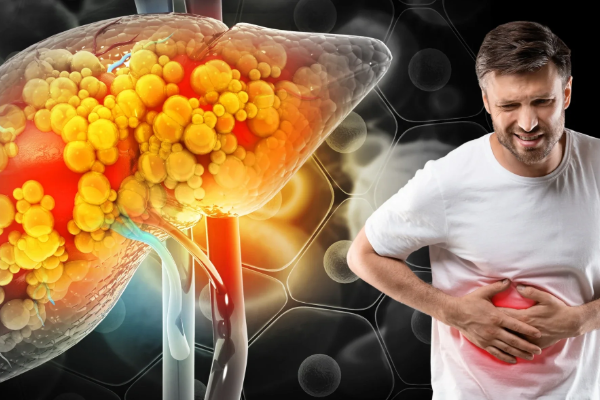
Fatty liver disease happens when fat builds up in liver cells. A healthy liver contains a small amount of fat, but when fat makes up more than 5–10% of the liver’s weight, it becomes fatty liver disease.
There are two major types:
1. Non-Alcoholic Fatty Liver Disease (NAFLD)
This is the most common type and occurs in people who consume little or no alcohol. It is strongly associated with obesity, diabetes, high cholesterol, and metabolic syndrome.
2. Alcohol-Related Fatty Liver Disease
This occurs due to excessive alcohol consumption, which damages liver cells and causes fat accumulation.
Among young adults in India, NAFLD is becoming increasingly common because of sedentary lifestyles and unhealthy food choices.
Why is Fatty Liver Increasing in Young Adults?
Several modern lifestyle habits are contributing to the rise of fatty liver disease among younger individuals:
- Increased consumption of junk food and sugary beverages
- Sedentary office jobs and lack of physical activity
- Obesity and belly fat accumulation
- Poor sleep patterns
- High stress levels
- Insulin resistance and early diabetes
- Frequent eating outside and processed foods
- Excessive alcohol consumption
Even individuals who appear slim can develop fatty liver if they have poor metabolic health.
Early Warning Signs of Fatty Liver Disease
One of the biggest challenges with fatty liver disease is that symptoms may not appear in the early stages.
However, some people may experience:
Persistent Fatigue
Feeling constantly tired or low on energy despite adequate rest can sometimes indicate liver dysfunction.
Discomfort in the Upper Right Abdomen
Mild pain or heaviness on the right side of the abdomen may occur due to liver enlargement.
Unexplained Weight Gain
Especially around the abdomen.
Bloating and Indigestion
Digestive disturbances may occur due to poor liver function.
Dark Patches Around the Neck
This condition, known as acanthosis nigricans, can indicate insulin resistance associated with fatty liver.
Elevated Liver Enzymes
Many people discover fatty liver accidentally during blood tests showing abnormal liver function.
As the disease progresses, symptoms may become more serious:
- Jaundice
- Swelling in legs or abdomen
- Severe weakness
- Confusion
- Loss of appetite
These may indicate advanced liver damage and require immediate medical attention.
Who is at Higher Risk?
Young adults with the following conditions are at greater risk of developing fatty liver disease:
Obesity
Excess body weight, especially abdominal obesity, significantly increases liver fat.
Type 2 Diabetes
High blood sugar levels can lead to fat accumulation in the liver.
High Cholesterol and Triglycerides
Abnormal lipid levels contribute to fatty liver disease.
Polycystic Ovary Syndrome (PCOS)
Women with PCOS often have insulin resistance, increasing the risk.
Sedentary Lifestyle
Lack of regular exercise slows metabolism and promotes fat storage.
Family History
Genetics may also influence susceptibility.
Sleep Apnea
Poor sleep quality and oxygen deprivation can worsen metabolic health.
Stages of Fatty Liver Disease
Fatty liver disease develops gradually.
Stage 1: Simple Fatty Liver
Fat accumulates in the liver without inflammation.
Stage 2: Steatohepatitis
Inflammation develops along with fat accumulation.
Stage 3: Fibrosis
Persistent inflammation causes scar tissue formation.
Stage 4: Cirrhosis
Severe scarring affects liver function and can become life-threatening.
Early intervention is crucial to prevent progression.
How is Fatty Liver Diagnosed?
A gastroenterologist may recommend the following tests:
Liver Function Tests (LFT)
Blood tests help detect elevated liver enzymes.
Ultrasound Abdomen
A simple imaging test commonly used to identify fatty liver.
FibroScan
This advanced test measures liver stiffness and fat content.
CT Scan or MRI
Sometimes used for detailed liver evaluation.
Liver Biopsy
In severe or uncertain cases, a biopsy may be recommended.
Regular health check-ups are important for early detection, especially in high-risk individuals.
Can Fatty Liver Be Reversed?
Yes. In many patients, early-stage fatty liver disease can be reversed with lifestyle modifications.
The liver has remarkable healing capacity if damage is identified early.
Weight Loss
Losing even 5–10% of body weight can significantly reduce liver fat.
Healthy Diet
A liver-friendly diet should include:
- Fresh fruits and vegetables
- Whole grains
- Lean proteins
- Healthy fats
- High-fiber foods
Foods to avoid:
- Sugary drinks
- Fried foods
- Processed snacks
- Bakery items
- Excess red meat
- Alcohol
Regular Exercise
At least 150 minutes of moderate exercise weekly is recommended.
Walking, jogging, cycling, swimming, and strength training can improve liver health.
Diabetes and Cholesterol Control
Managing blood sugar and lipid levels is essential.
Avoid Self-Medication
Certain supplements and medications may worsen liver damage.
Always consult a qualified gastroenterologist before taking herbal or over-the-counter medications.
Best Foods for Fatty Liver Patients
Coffee
Studies suggest moderate coffee intake may help protect the liver.
Green Leafy Vegetables
Rich in antioxidants and fiber.
Fatty Fish
Contains omega-3 fatty acids that help reduce inflammation.
Nuts and Seeds
Provide healthy fats beneficial for liver function.
Oats
Help control blood sugar and weight.
Citrus Fruits
Rich in vitamin C and antioxidants.
Foods That Harm the Liver
Young adults should limit:
- Sugary beverages
- Packaged juices
- White bread and refined flour
- Fast food
- Processed meat
- Excess alcohol
- High-salt foods
Frequent late-night eating can also negatively impact metabolism and liver health.
Is Fatty Liver Dangerous?
Many people ignore fatty liver because they feel healthy. However, untreated fatty liver can lead to:
- Liver fibrosis
- Cirrhosis
- Liver failure
- Liver cancer
- Increased heart disease risk
Research also shows fatty liver disease is closely linked with diabetes and cardiovascular disease.
This is why early medical evaluation is important.
Fatty Liver and Gut Health Connection
Recent research highlights a strong connection between gut health and liver health.
An unhealthy gut microbiome can increase inflammation and worsen fatty liver disease. Poor dietary habits, excessive antibiotics, and processed foods can disrupt gut bacteria.
Consuming fiber-rich foods and probiotics may support both digestive and liver health.
Tips to Prevent Fatty Liver Disease
Maintain Healthy Body Weight
Avoid crash diets and focus on sustainable weight management.
Stay Physically Active
Regular movement improves insulin sensitivity.
Eat Home-Cooked Meals
Reduce processed food intake.
Get Regular Health Check-Ups
Routine blood tests can identify liver problems early.
Limit Alcohol Consumption
Even social drinking can worsen liver health in some individuals.
Manage Stress
Chronic stress affects hormones and metabolic health.
Sleep Well
Aim for 7–8 hours of quality sleep.
When Should You Consult a Gastroenterologist?
You should seek medical advice if you experience:
- Persistent fatigue
- Abdominal discomfort
- Sudden weight gain
- Abnormal liver function tests
- Obesity or diabetes
- Family history of liver disease
Early diagnosis can prevent serious complications and help restore liver health.
Conclusion
Fatty liver disease is becoming increasingly common among young adults due to modern lifestyle habits and metabolic disorders. Since the condition often develops silently, many individuals remain unaware until complications arise.
The encouraging news is that fatty liver disease is preventable and often reversible in its early stages. Healthy eating, regular exercise, weight management, and timely medical evaluation play a major role in protecting liver health.
If you are experiencing digestive symptoms, unexplained fatigue, obesity, or abnormal liver tests, consult an experienced gastroenterologist for proper evaluation and treatment.
Taking action early can help prevent long-term liver damage and improve overall health.
Frequently Asked Questions (FAQs)
1. Can fatty liver disease occur in young adults?
Yes. Fatty liver disease is increasingly affecting people in their 20s and 30s due to obesity, poor diet, lack of exercise, diabetes, and stress.
2. Is fatty liver reversible?
Yes. Early-stage fatty liver disease can often be reversed through lifestyle changes such as weight loss, healthy eating, exercise, and avoiding alcohol.
3. What are the first signs of fatty liver?
Many people have no symptoms initially. Some may experience fatigue, abdominal discomfort, bloating, or elevated liver enzymes.
4. Which doctor treats fatty liver disease?
A gastroenterologist or hepatologist specializes in diagnosing and treating liver diseases.
5. Is fatty liver dangerous?
If untreated, fatty liver can progress to inflammation, fibrosis, cirrhosis, and liver cancer.
6. What foods should be avoided in fatty liver disease?
Avoid fried foods, sugary drinks, processed foods, refined carbohydrates, and excessive alcohol.
7. Can exercise improve fatty liver?
Yes. Regular physical activity helps reduce liver fat and improves metabolic health.
8. How is fatty liver diagnosed?
Doctors use blood tests, ultrasound scans, FibroScan, and sometimes liver biopsy to diagnose fatty liver disease.
9. Does fatty liver always cause symptoms?
No. Many individuals remain symptom-free for years.
10. How can I prevent fatty liver disease?
Maintain healthy body weight, eat balanced meals, exercise regularly, limit alcohol, and undergo routine health check-ups.


