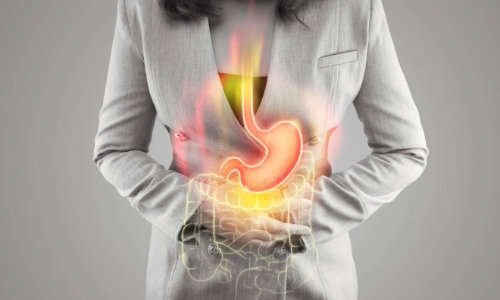
Gastroesophageal Reflux Disease (GERD) is a chronic digestive disorder characterized by the reflux of stomach acid into the esophagus, leading to various symptoms and potential complications. While occasional acid reflux is normal and may occur after eating certain foods or lying down shortly after a meal, GERD involves persistent and frequent episodes of reflux that can significantly impact a person's quality of life if left untreated.
Causes of GERD
Several factors contribute to the development of GERD:
- Weak Lower Esophageal Sphincter (LES): The LES is a ring of muscle located at the junction of the esophagus and the stomach. Its primary function is to prevent the backflow of stomach contents into the esophagus. When the LES becomes weak or relaxes inappropriately, stomach acid can flow back into the esophagus, causing irritation and inflammation.
- Hiatal Hernia: A hiatal hernia occurs when a portion of the stomach protrudes through the diaphragm into the chest cavity. This displacement of the stomach can compromise the function of the LES, making reflux more likely.
- Dietary Triggers: Certain foods and beverages can trigger or exacerbate GERD symptoms. Common dietary triggers include spicy foods, acidic foods (such as citrus fruits and tomatoes), caffeine, alcohol, and fatty or fried foods.
- Obesity: Excess body weight, particularly around the abdomen, can increase pressure on the stomach and LES, promoting the reflux of stomach acid into the esophagus.
- Smoking: Tobacco smoke contains chemicals that can weaken the LES and impair the production of saliva, which normally helps neutralize stomach acid. Smoking also increases the risk of developing esophageal complications associated with GERD.
- Pregnancy: Hormonal changes and increased abdominal pressure during pregnancy can contribute to the development or worsening of GERD symptoms. Many pregnant women experience heartburn and acid reflux, particularly during the later stages of pregnancy.
Treatment Options:
The treatment of GERD typically involves a combination of lifestyle modifications, dietary changes, medications, and, in some cases, surgical interventions. The goal of treatment is to alleviate symptoms, heal esophageal tissue damage, and prevent complications. Here are the primary treatment options:
- Lifestyle Modifications:
- Elevating the head of the bed: Raising the head of the bed by 6 to 8 inches can help prevent nighttime reflux.
- Avoiding lying down after meals: Waiting at least two to three hours after eating before lying down or going to bed can reduce the risk of reflux.
- Weight management: Losing excess weight through a combination of diet and exercise can help alleviate pressure on the stomach and LES.
- Quitting smoking: Quitting smoking can improve LES function and reduce the frequency and severity of GERD symptoms.
- Dietary Changes:
- Identifying and avoiding trigger foods: Keeping a food diary can help identify foods and beverages that trigger or worsen GERD symptoms, allowing individuals to avoid them.
- Eating smaller, more frequent meals: Consuming smaller meals throughout the day can reduce gastric pressure and decrease the likelihood of reflux.
- Avoiding eating before bedtime: Refraining from eating for at least two to three hours before bedtime can prevent nighttime reflux.
- Medications:
- Proton Pump Inhibitors (PPIs): PPIs, such as omeprazole, lansoprazole, and esomeprazole, are commonly prescribed to reduce stomach acid production and alleviate symptoms of GERD.
- H2-receptor antagonists: H2 blockers, such as ranitidine and famotidine, reduce the production of stomach acid and can provide relief from GERD symptoms.
- Antacids: Over-the-counter antacids, such as calcium carbonate (Tums) or magnesium hydroxide (Maalox), can neutralize stomach acid and provide short-term relief from heartburn and acid reflux.
- Prokinetics: Prokinetic medications, such as metoclopramide, help strengthen the LES and promote gastric emptying, reducing the likelihood of reflux.
- Surgery:
- Fundoplication: In severe cases of GERD that do not respond to lifestyle modifications and medications, surgical intervention may be necessary. Fundoplication is a surgical procedure in which the upper part of the stomach is wrapped around the LES to strengthen its function and prevent reflux.
Contact Dr. Rajasekhar Reddy in Hyderabad for Expert Treatment:
For individuals in Hyderabad seeking expert care for GERD, Dr. Rajasekhar Reddy is a highly skilled gastroenterologist known for providing personalized and comprehensive treatment options. With years of experience and a commitment to patient-centered care, Dr. Reddy offers advanced diagnostic techniques and tailored treatment plans to address the unique needs of each patient.
If you or a loved one are experiencing symptoms of GERD, such as heartburn, regurgitation, chest pain, or difficulty swallowing, it is essential to seek timely medical evaluation and treatment. Contact Dr. Rajasekhar Reddy's clinic in Hyderabad to schedule an appointment and receive the best-in-class care for GERD and related digestive disorders.


